

“I had an approximate 5 percent chance of living. Now look at me,” George Taylor said as he reflected on his life-altering experience.
His journey from cardiac arrest on a hiking trail to full recovery shows the power of timely emergency care and advanced heart treatment at WellSpan.
In the fall of 2023, George set out on what should have been a simple three‑mile hike with a good friend. It was early September at Rocky Ridge Park in York, and the late‑summer humidity hung in the air as the pair made their way down the trail.
George, in his mid-60s and splitting his time between Georgia and Pennsylvania for work, had been dealing with the stress of an ongoing life change. As a longtime endurance athlete who let his guard down from focusing on his health, George knew he needed to get back into exercise. The morning of his hike, he was looking forward to enjoying fresh air and time with a good friend.
Though he wasn’t thinking about his heart, the human body has a way of demanding attention.
As George and his friend, musician Chad Gracey, neared the end of their hike, George felt faint. His fitness tracker showed an alarming spike in heart rate. He felt dizzy and confused. Yards from the access road, he collapsed on the trail.
Chad immediately dialed 9-1-1 and began CPR, first giving rescue breaths, then switching to chest compressions for nearly 20 minutes. His quick actions kept George alive until EMS arrived.
What responders didn’t expect was a nest of yellow jackets hidden beneath the trail. Two paramedics were stung severely enough to go into anaphylactic shock and had to be transported to WellSpan York Hospital, leaving only one paramedic with George until more help arrived.
George was suffering from sudden cardiac arrest. The emergency responders present, which included a local police officer, transported George to the ambulance where he was defibrillated and taken straight to the WellSpan York Hospital.
There, the crisis grew even more urgent.
Life-Saving Clinical Care
George’s sudden cardiac arrest was caused by a change in his heart’s electrical activity due to coronary artery disease, meaning his coronary arteries were so severely narrowed or blocked by plaque that his heart muscle wasn’t receiving any blood supply. Imaging revealed near total blockages in both of his carotid arteries along his neck, placing him moments from a life-ending stroke
George’s heart was stabilized, and neurosurgeon Dr. Grant Sorkin performed an emergency endarterectomy to clear the carotid artery blockages in the neck.
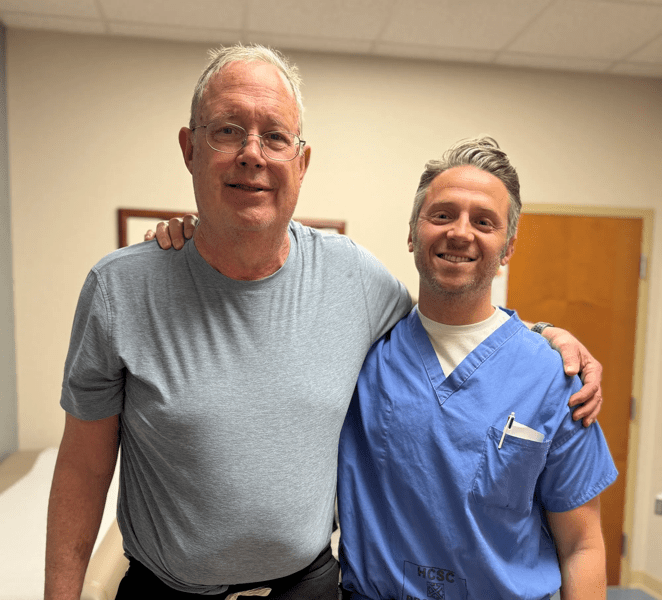
George reconnecting with Dr. Sorkin after his life-saving care.
That surgery was successful, so two days later George was cleared for cardiac surgery to repair his heart muscle by Dr. Ronson Madathil. The surgery grafted three vessels from the body to bypass the damaged arteries of the heart in order to improve heart muscle oxygenation.
George also received a pacemaker and implanted defibrillator, guided by electrophysiologist Dr. Jefferson Lee, to stave off any future episodes of life-threatening arrhythmia.
“Each of George’s conditions alone are serious but coupled together, time was critical,” said Dr. Madathil. “With his complex conditions, coronary artery disease, near stroke and cardiac arrest, his survival was nothing short of extraordinary. His outcome is a testament to rapid teamwork and his own resilience when every minute mattered.”
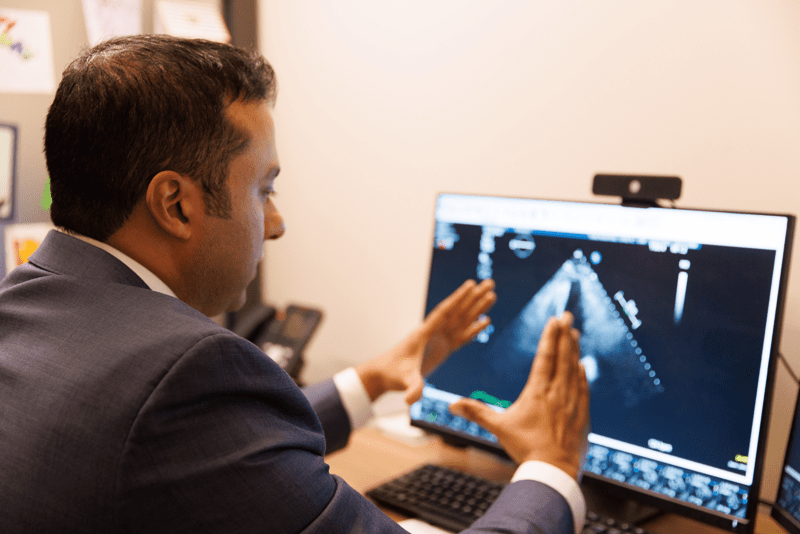
Dr. Madathil reflecting on George’s particular case.
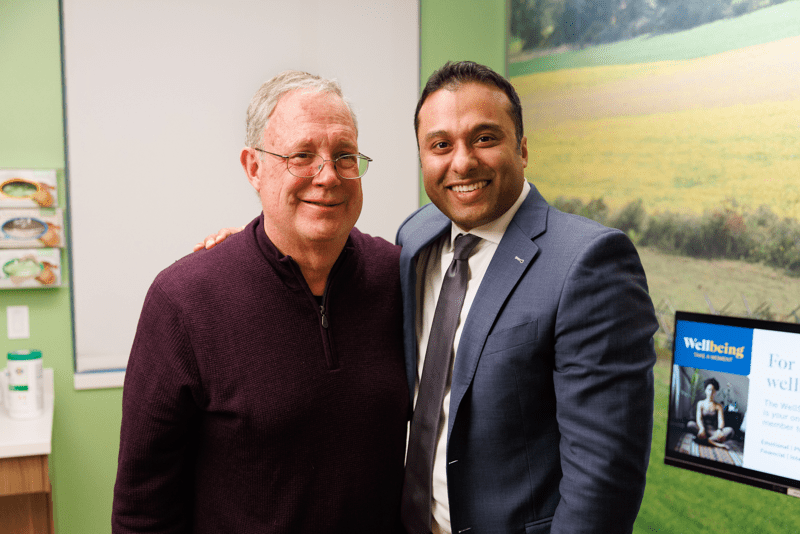
George and Dr. Madathil reconnect as George continues his road to recovery.
Healing through connections
George spent three weeks recovering at WellSpan York Hospital before transferring to WellSpan Surgery & Rehabilitation Hospital. With no family nearby, those weeks could have felt isolating. Instead, he found connection and encouragement in his care team and specifically his physical therapist, Julia Rigothi.
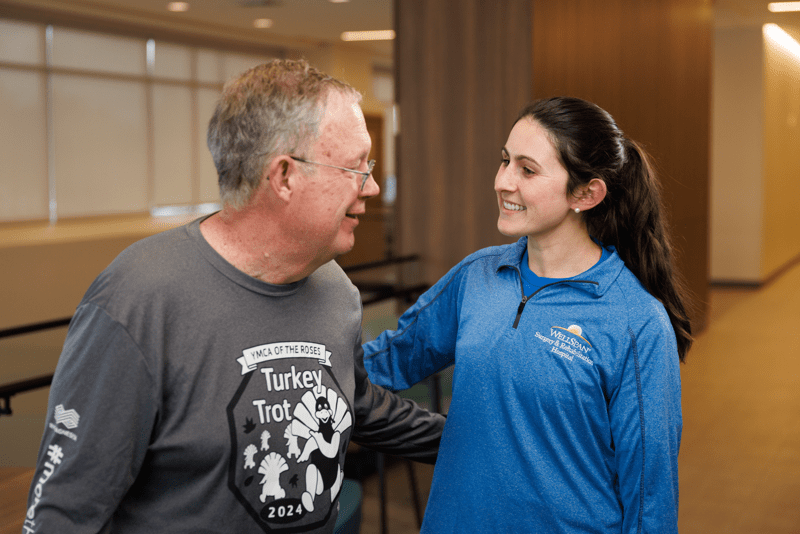
George and Julia revisiting at WellSpan Surgery & Rehabilitation Hospital.
From the comforting view of the Memorial Garden at the hospital and the steady presence of care teams, he felt like his was more than just a patient in the bed.
“I felt like they saw the person fighting to reclaim his life, and they genuinely believed in me,” George said.
After four weeks at WellSpan Surgery & Rehabilitation Hospital, George moved temporarily into a nearby hotel to continue outpatient care locally.
Two months after his heart attack, his defibrillator unexpectedly fired. When he returned to the WellSpan York Hospital emergency department, he was recognized by the paramedic who had helped save his life the day of the yellow jacket swarm. She embraced him with relief. Paramedics rarely learn what becomes of their most critical patients. Seeing George alive was her moment of healing, too.
By February 2024, George was strong enough to begin cardiac rehab at the WellSpan Heart & Vascular Center at the Apple Hill Health Campus. Week after week, he rebuilt stamina, strength, and confidence. He jokes that one highlight of those days was lunch after each session and the uplifting energy of a café worker who always made him smile.
Stronger every day
Today, George calls York County home and WellSpan Health the sole provider for all of his health care needs.
Now, he works out five days a week at the local gym and has no lasting heart damage. His care team continues to monitor him for stage 3A chronic kidney disease, pulmonary sarcoidosis, sleep apnea and previous treatment for skin cancer.
“My heart attack was terrifying, but I feel like I was meant to be treated at WellSpan,” George said. “I cannot say enough wonderful things about this health system. I went from only a 5% chance of living to working out five times a week. I am forever grateful. I will also never again take my heart and life for granted.”
He is equally grateful to his friend Chad for knowing CPR, a skill George credits as the difference between life and death.
“You can’t plan for when you’ll need CPR, but it can save a life. It saved mine,” George said.
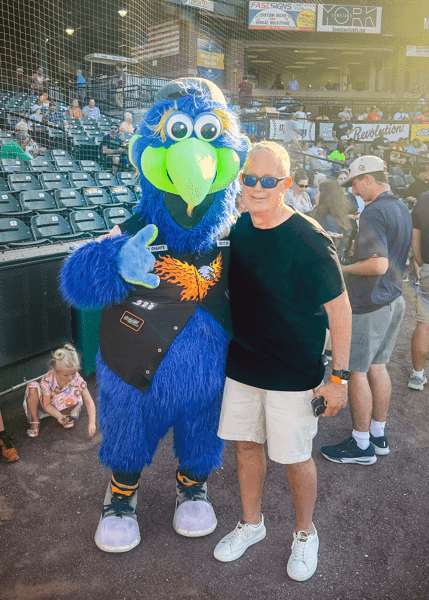
George’s journey was celebrated when he was able to throw the first pitch at the York Revolution game last summer, where he got to reunite with some of his care team and embrace the community George now calls home.

As this month recognizes Heart Month, George and his care team hope his story encourages others to listen to their bodies, prioritize preventive care and never underestimate the power of CPR. His story is proof of what coordinated emergency response, advanced heart care, and dedicated rehabilitation can achieve.
Want to be more prepared in a time of crisis? You can find a CPR training opportunity nearest you by visiting www.WellSpan.org/Events.
George had no symptoms prior to his sudden cardiac arrest. Do you know where your heart health stands? Take our short risk assessment at WellSpan.org/HeartHRA to get a baseline and start a conversation with your primary care physician.

Tags:
